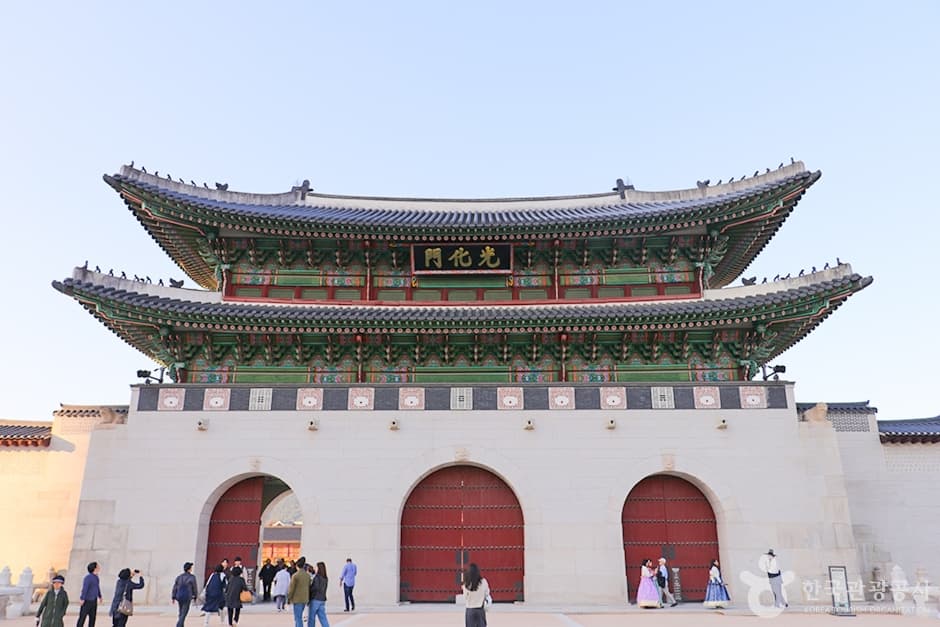
Gwanghwamun Gate (광화문)
161 Sajik-ro, Jongno-gu, Seoul
About
Stand before Gwanghwamun Gate, the magnificent main entrance to Gyeongbokgung Palace. This historic gateway transports visitors back to the Joseon Dynasty, showcasing impressive Korean architectural grandeur. History enthusiasts and culture lovers will appreciate the gate's three-arched design and towering gatehouse. Plan a visit to soak in the regal atmosphere and imagine life in royal Korea. While beautiful year-round, visiting during spring offers especially vibrant photo opportunities.
View original description
Gwanghwamun Gate went through several damages and restorations over the course of history. It was first severely damaged during the Imjin War (1592-1598) and was not restored until the reconstruction of Gyeongbokgung Palace in 1864. Under the Japanese administration, the gate was demolished and relocated to the north of the palace's eastern gate, followed by series of damages during the Korean War (1950-1953). In 1968, Gwanghwamun Gate was relocated back to the south of the palace and was rebuilt using concrete; however, the gate’s position was shifted a few meters away from its original location. In 2006, a major reconstruction project took place to restore Gwanghwamun Gate to its original state and location, disassembling the structure completely and replacing concrete with granite and wood. After three years and eight months of construction, Gwanghwamun Gate was fully restored to its original form and was open to the public on August 15, 2010.
Visitors also explore King Jeongjo's Royal Parade (정조대왕 능행차 공동재현), National Palace Museum of Korea (국립고궁박물관) and Bongsan Mask Dance(봉산탈춤 다 모여라~ ) near this location.
Location
37.57607, 126.97680
More Attractions in Seoul

Verygood Plastic Surgery (베리굿성형외과의원)
(8th-9th Floors, Block 77), 17 Seocho-daero 77-gil, Seocho-gu, Seoul
World Cup Park (월드컵공원)
243-60 World Cup-ro, Mapo-gu, Seoul
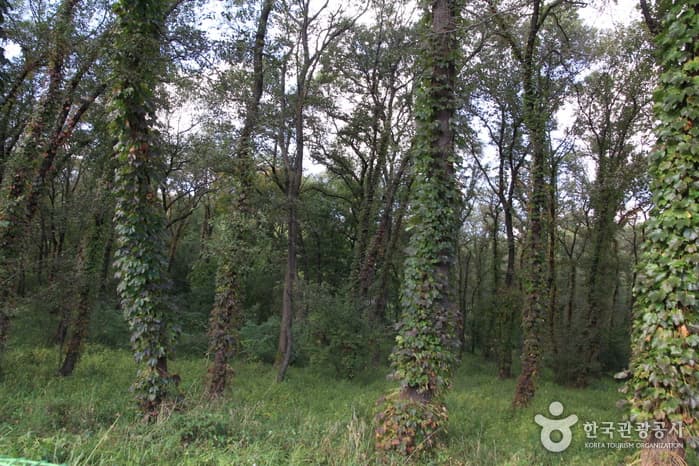
Heoninneung Royal Tombs Ecological Preservation Area (Alder Tree Forests) (헌인릉 생태경관보전지역(오리나무림))
34, Heonilleung-gil, Seocho-gu, Seoul
The 3.0 Clinic (더3.0피부과의원)
(4th Floor, Cham Building, Sinsa-dong), 48 Apgujeong-ro 28-gil, Gangnam-gu, Seoul
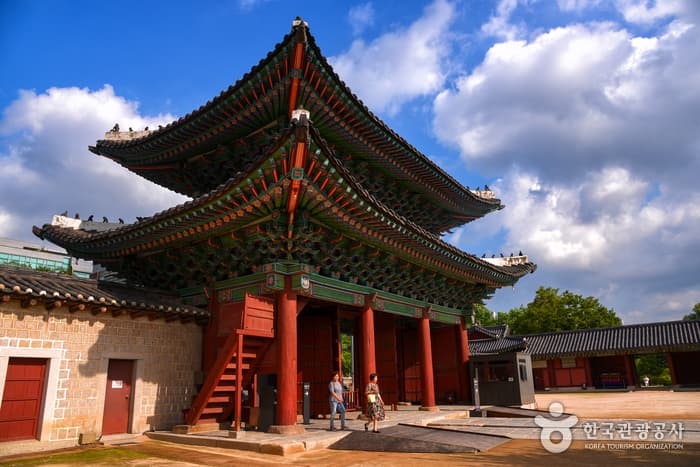
Changgyeonggung Palace Honghwamun Gate (창경궁 홍화문)
99, Yulgok-ro, Jongno-gu, Seoul
Pureun Arboretum & Hang-dong Railroad (푸른수목원&항동철길)
240 Yeondong-ro, Guro-gu, Seoul
Nearby Places
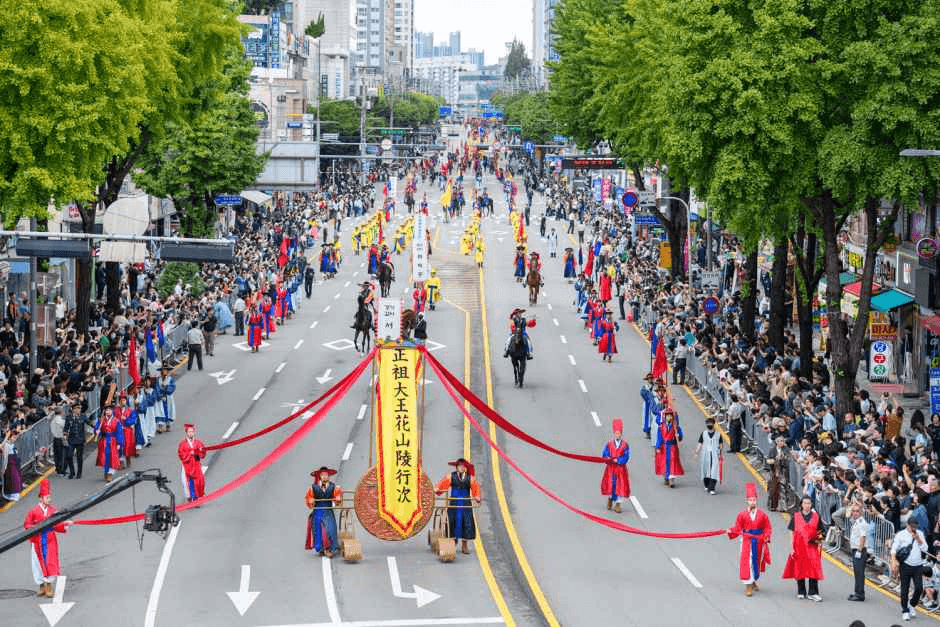
King Jeongjo's Royal Parade (정조대왕 능행차 공동재현)
161 Sajik-ro, Jongno-gu, Seoul
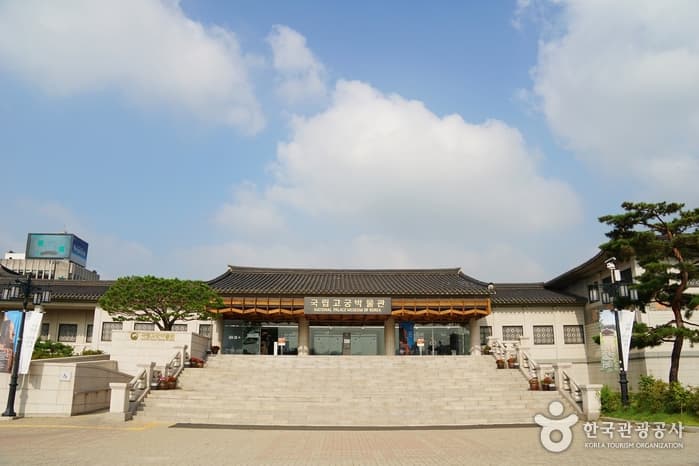
National Palace Museum of Korea (국립고궁박물관)
12, Hyoja-ro, Jongno-gu, Seoul
Bongsan Mask Dance(봉산탈춤 다 모여라~ )
서울특별시 종로구 종로1길 45 (세종로)
HANILKWAN - Gwanghwamun Branch (한일관 광화문)
50, Jong-ro 1-gil, Jongno-gu, Seoul
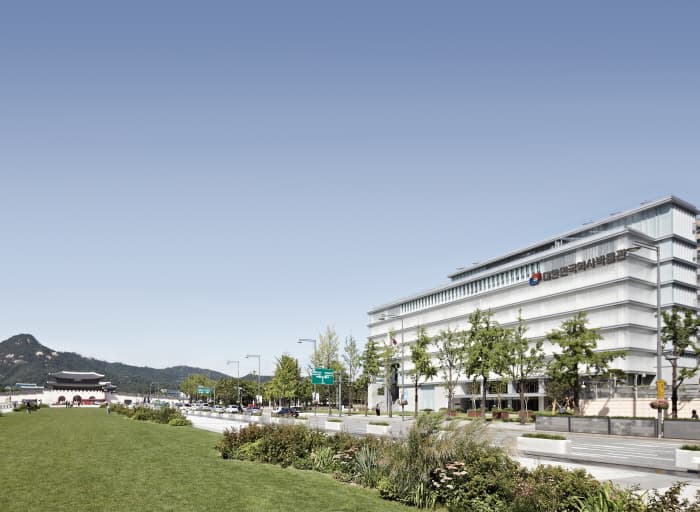
National Museum of Korean Contemporary History (대한민국역사박물관)
198, Sejong-daero, Jongno-gu, Seoul
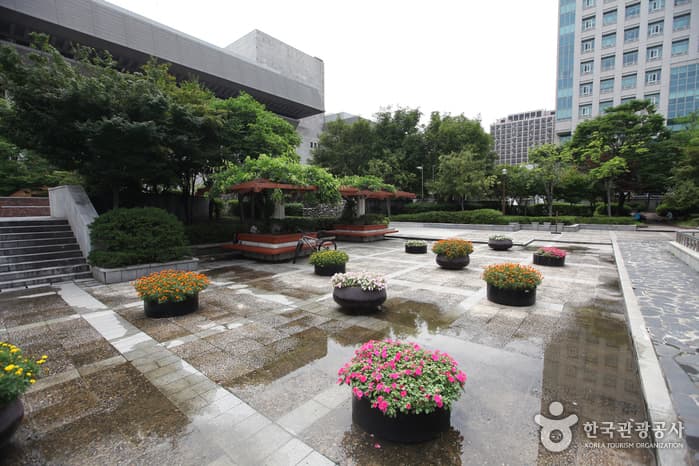
Sejong-ro Park (세종로공원)
jiha 189, Sejong-daero, Jongno-gu, Seoul