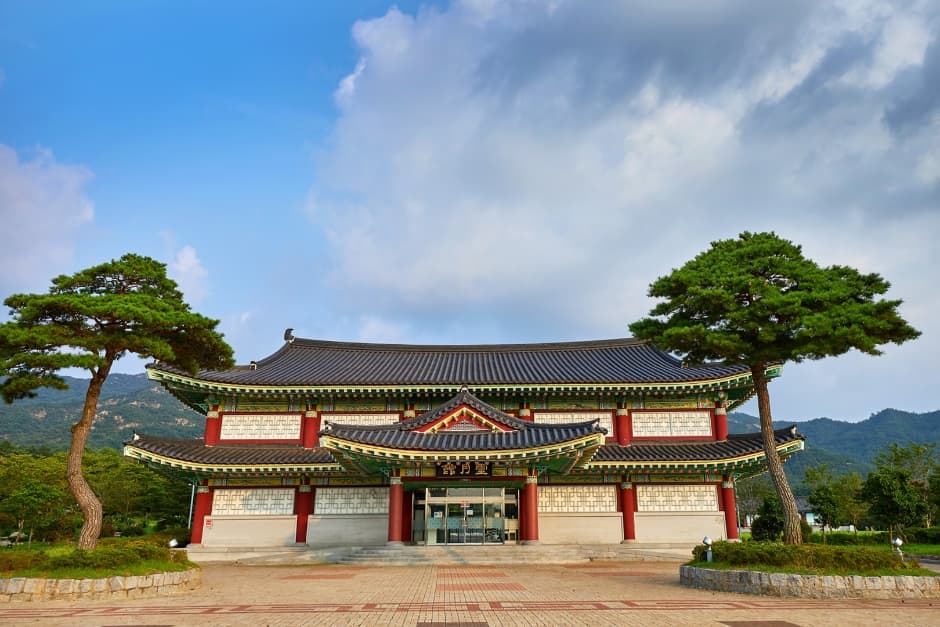
Historical Site of Wangin (왕인박사 유적지)
440 Wangin-ro, Yeongam-gun, Jeollanam-do
About
Step back in time at the historical site honoring Wangin Baksa, the great scholar and local figure of importance. Tourists can expect a tranquil journey through preserved sites like his birthplace and the ancient well, Seongcheon. Ideal for history buffs and anyone keen on Korean heritage, the gentle natural setting near Munpilbong Peak makes it a contemplative day trip. Visit any time of year to immerse yourself in the story of a life that profoundly shaped Korean history.
View original description
Seonggidong is the official birthplace of Wangin (marked by the Yuheobi memorial monument) and is also home to Seongcheon, the well Wangin is believed to have drunk from. Halfway up Wolchulsan Mountain are Chaekgul, Munsanjae and Yangsajae where Wangin is said to have studied as well as nurtured local pupils. To commemorate the significance of these areas, a memorial is held every March at Munsanjae and Yansanjae.
In front of Chaekgul is a statue of Wangin which is said to symbolize his benevolent character. Just west of Seonggidong is Doljeonggogae, a hill from which it is believed Wangin made a sorrowful look back at his countrymen before leaving for Japan.
Wangin departed for Japan from Sangdaepo, which at the time was an international trading port. The renowned Baekje scholar was beginning his journey at the request of Japanese Emperor Eungshin. He took with him ten books on the Analects of Confucius and a book of Cheonjamun, a text of one thousand Chinese characters. Over time, he earned the trust of the emperor and became instructor to the crown prince. Wangin is well-known for his part in the development of Japanese culture and his name appears often in Japanese history. Wangin educated beyond textbooks and made great contributions to the development of arts, crafts and music and is revered as the originator of Japan’s Asuka culture.
This historic site was originally reconstructed from 1985 to 1987 and is continually receiving improvements to improve accessibility for visitors.
Visitors also explore Yeongam Wangin Culture Festival (영암왕인문화축제), Yeongam Pottery Museum (영암도기박물관) and Dogapsa Temple (도갑사) near this location.
Location
34.75547, 126.63107
More Attractions in Jeonnam
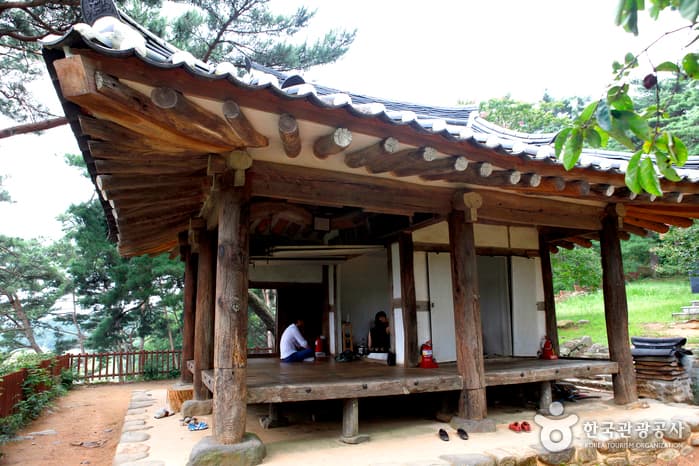
Sigyeongjeong Pavilion (담양 식영정)
Jigok-ri, Damyang-gun, Jeollanam-do
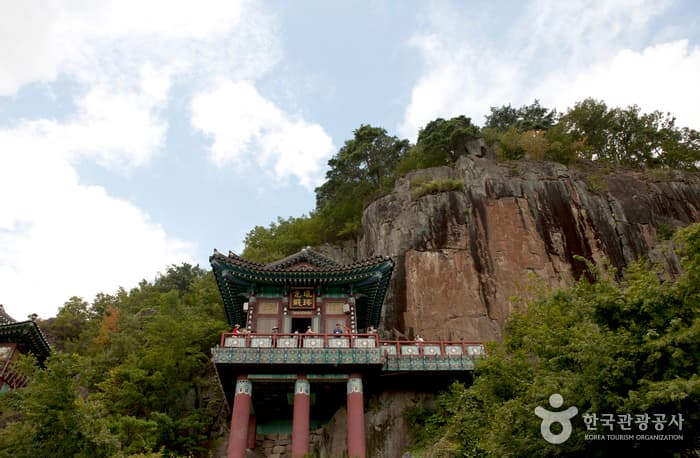
Saseongam Hermitage (Gurye) (사성암(구례))
303 Saseongam-gil, Muncheok-myeon, Gurye-gun, Jeollanam-do

Jeollanam-do Heart Health Healing Center (전라남도 마음건강치유센터)
121, Rohaseu-ro, Anyang-myeon, Jangheung-gun, Jeollanam-do
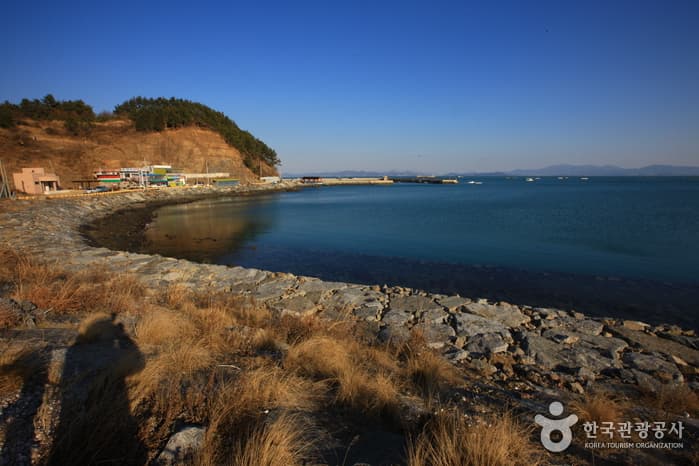
Jangheung Jeongnamjin (정남진(장흥))
Gwansan-eup, Jangheung-gun, Jeollanam-do
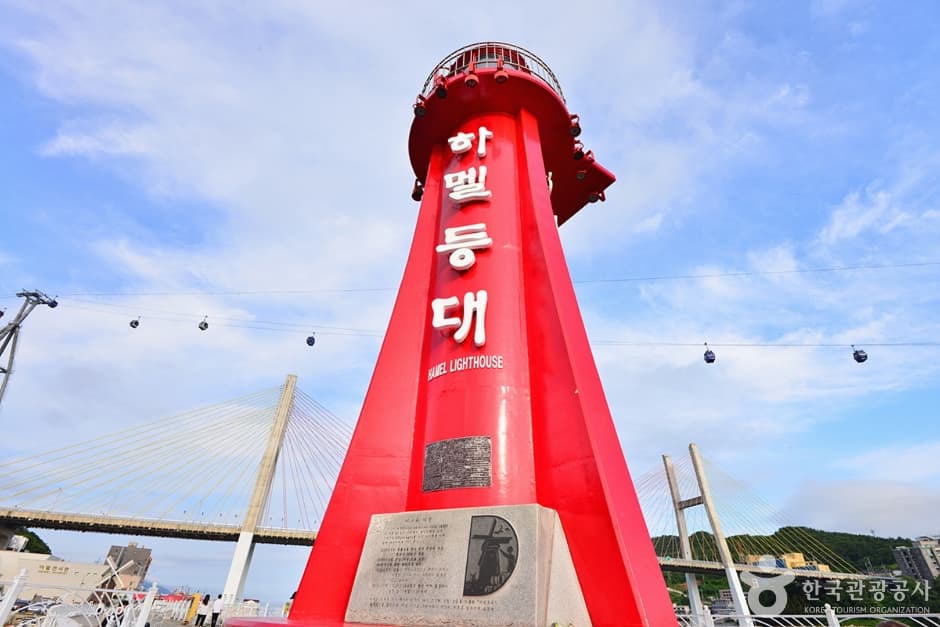
Hamel Lighthouse (하멜등대)
96 Hamel Road, Yeosu, Jeollanam-do
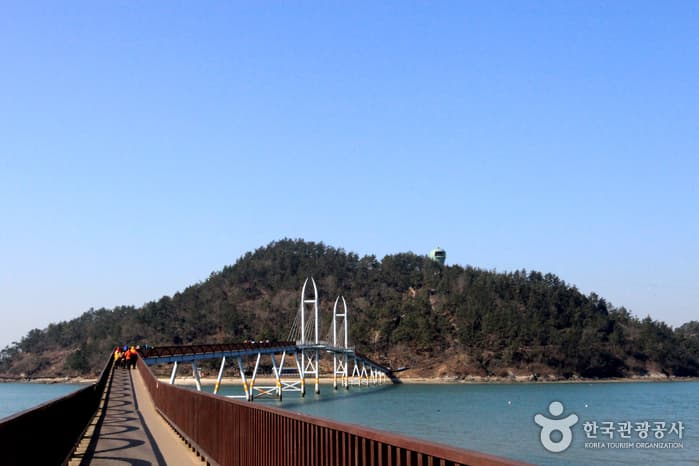
Gaudo Island (가우도)
473, Wolgot-ro, Gangjin-gun, Jeollanam-do
Nearby Places
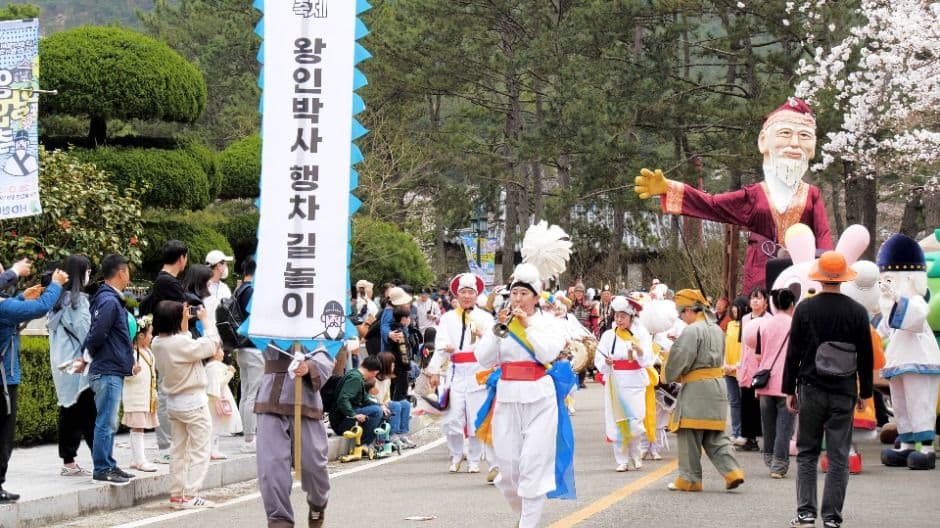
Yeongam Wangin Culture Festival (영암왕인문화축제)
440 Wangin-ro, Yeongam-gun, Jeollanam-do
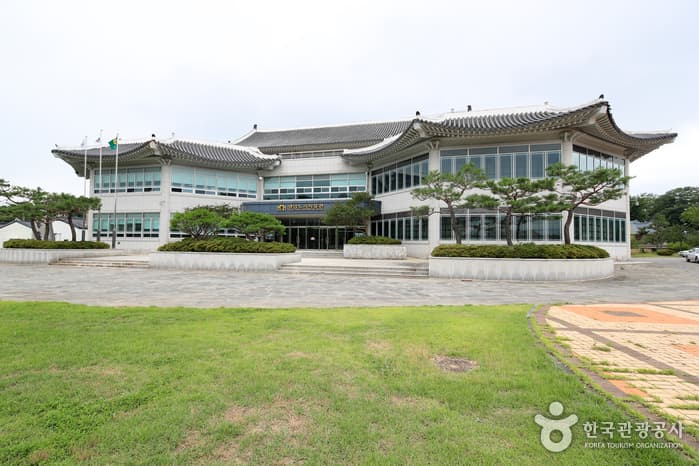
Yeongam Pottery Museum (영암도기박물관)
5, Seohojeong-gil, Yeongam-gun, Jeollanam-do
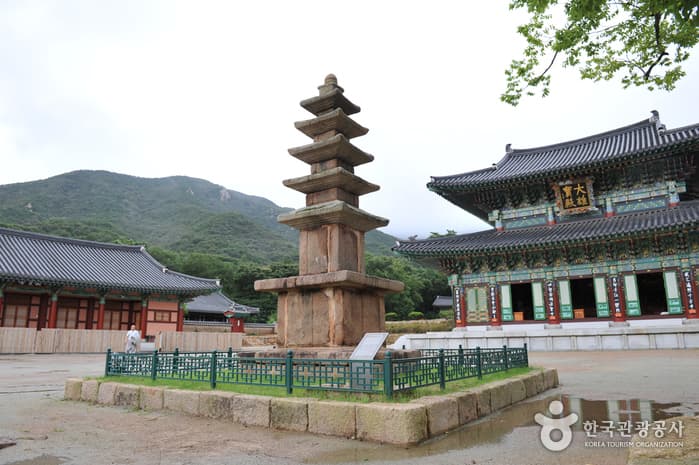
Dogapsa Temple (도갑사)
306, Dogapsa-ro, Yeongam-gun, Jeollanam-do
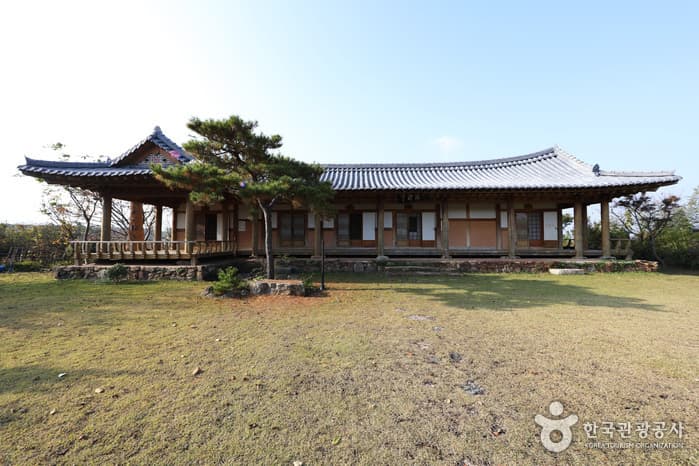
Worlindang (월인당)
37-11 , Mojeong 1-gil, Yeongam-gun, Jeollanam-do
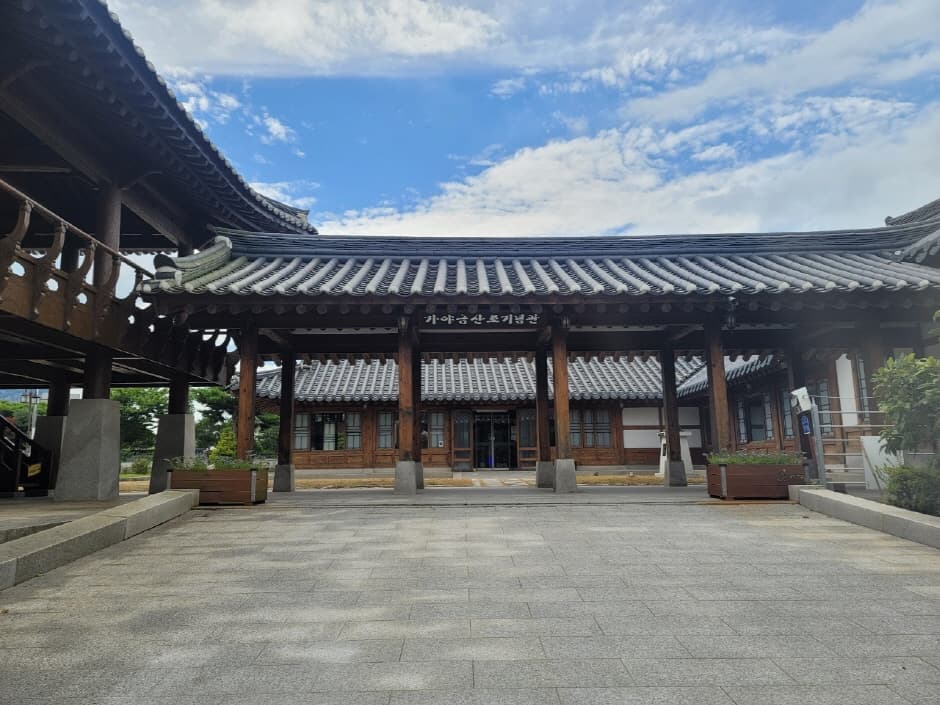
Gayageum Theme Park (가야금테마공원)
19-10 Gichan land-ro, Yeongam-eup, Yeongam-gun, Jeollanam-do