![Mireuksa Temple Site [UNESCO World Heritage] (익산 미륵사지 [유네스코 세계문화유산])](/_next/image?url=http%3A%2F%2Ftong.visitkorea.or.kr%2Fcms%2Fresource%2F85%2F2514985_image2_1.jpg&w=3840&q=75)
Mireuksa Temple Site [UNESCO World Heritage] (익산 미륵사지 [유네스코 세계문화유산])
362, Mireuksaji-ro, Iksan-si, Jeonbuk-do
About
Step back in time at Mireuksa Temple Site, a breathtaking UNESCO World Heritage site revealing the grandeur of the ancient Baekje Kingdom. Here, you will explore the massive ruins of what was once Korea's largest Buddhist temple. Archaeology enthusiasts and history lovers are the perfect visitors, while anyone interested in Korean culture will appreciate the site's profound spiritual atmosphere. Plan your visit year-round to absorb the historical atmosphere, but traveling in spring or autumn offers particularly beautiful viewing opportunities.
View original description
The two main features of the Mireuksa Temple Site are the stone pagoda (Mireuksaji Seoktap) and the flagpole supports (Mireuksaji Dangganjiju). The 14.24-meter-high west stone pagoda (National Treasure No. 11) is the oldest and largest Korean stone pagoda in existence. The west pagoda currently has only six tiers, but is estimated to originally have had nine. The nine-story east stone pagoda (27.67 meters in x_height) was restored to its original stature in 1993 based on historical records. Other surviving landmarks include the flagpole supports (Treasure No. 236) to the south of the stone pagodas. The 395 centimeter-tall poles are estimated to have been created during the Unified Silla period (AD 676-935) and are set 90 meters apart from east to west.
Visitors also explore Iksan National Museum (국립익산박물관), Geumma Reservoir (금마저수지) and Seodong Park (서동공원) near this location.
Location
36.01260, 127.03083
More Attractions in Jeonbuk
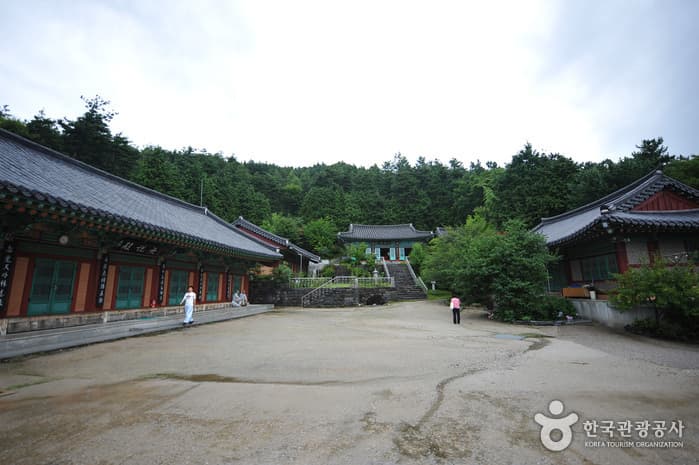
Seonggwansa Temple (성관사)
492-83, Jangmu-ro, Jangsu-gun, Jeonbuk-do
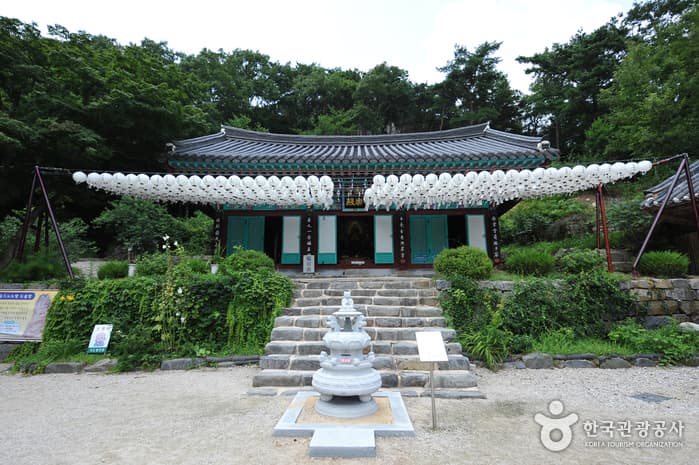
Gochang Dosoram Hermitage (도솔암(고창))
294, Dosol-gil, Gochang-gun, Jeonbuk-do
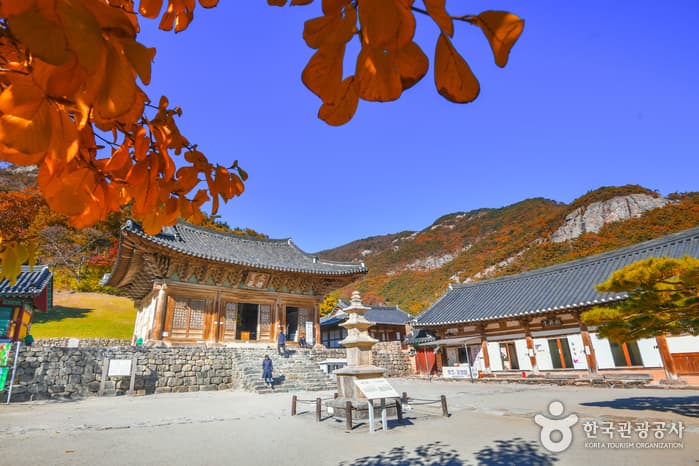
Buan Naesosa Temple (내소사 (부안))
191 Naesosa-ro, Jinseo-myeon, Buan-gun, Jeollabuk-do (Naesosa Ticket Booth)
![Jeonju Hanok Village [Slow City] (전북 전주 한옥마을 [슬로시티])](/_next/image?url=https%3A%2F%2Ftong.visitkorea.or.kr%2Fcms%2Fresource%2F50%2F3479250_image2_1.jpg&w=3840&q=75)
Jeonju Hanok Village [Slow City] (전북 전주 한옥마을 [슬로시티])
99 Girin-daero, Wansan-gu, Jeonju-si, Jeonbuk-do
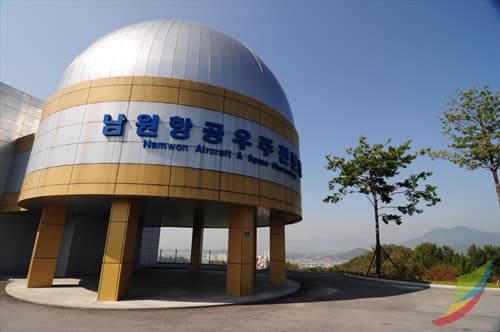
Namwon Aircraft & Space Observatory (남원항공우주천문대)
48-63, Yangnim-gil, Namwon-si, Jeonbuk-do
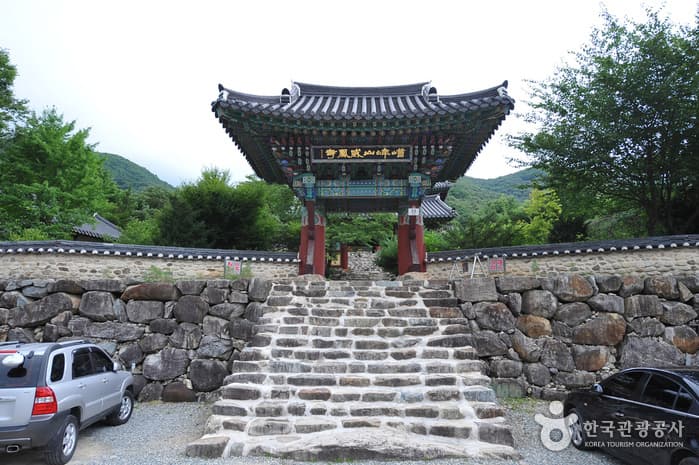
Wibongsa Temple - Wanju (위봉사 (완주))
53, Wibong-gil, Wanju-gun, Jeonbuk-do
Nearby Places
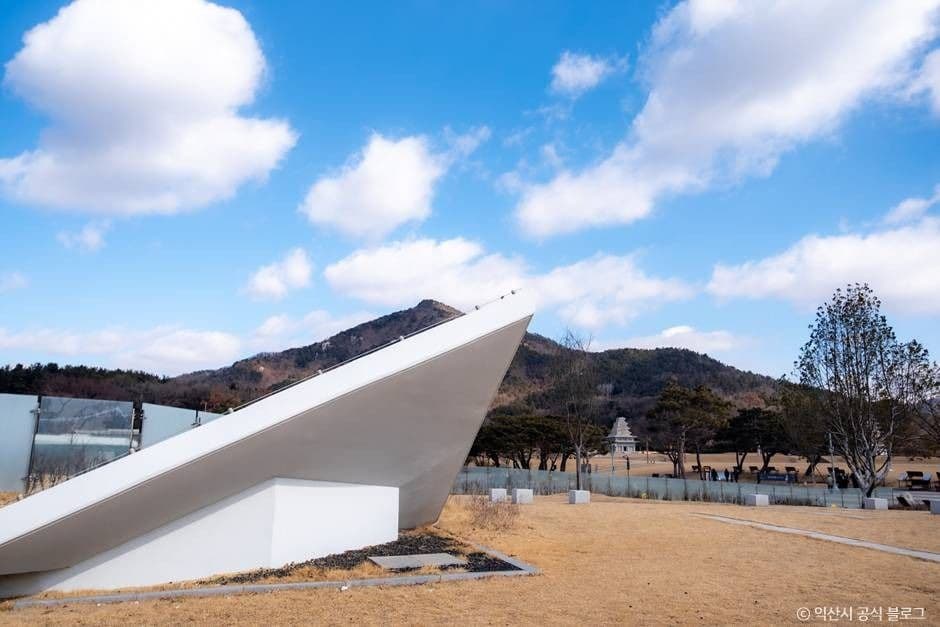
Iksan National Museum (국립익산박물관)
362 Mireuksaji-ro, Geumma-myeon, Iksan-si, Jeonbuk-do
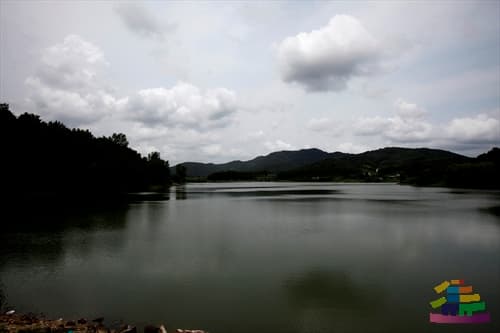
Geumma Reservoir (금마저수지)
Donggodo-ri, Geumma-myeon, Iksan-si, Jeonbuk-do
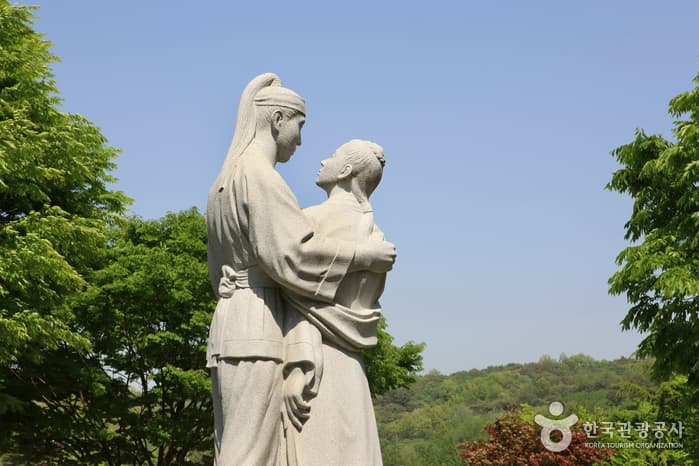
Seodong Park (서동공원)
41-14, Godo 9-gil, Geumma-myeon, Iksan-si, Jeonbuk-do
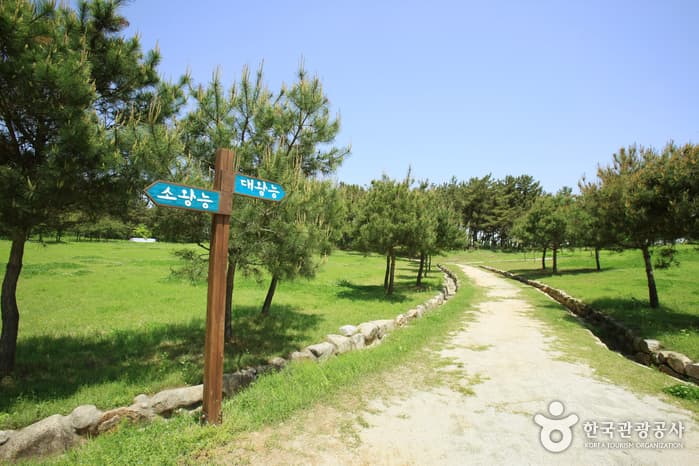
Iksan Ssangneung (익산 쌍릉)
Seogwang-dong, Iksan-si, Jeonbuk-do
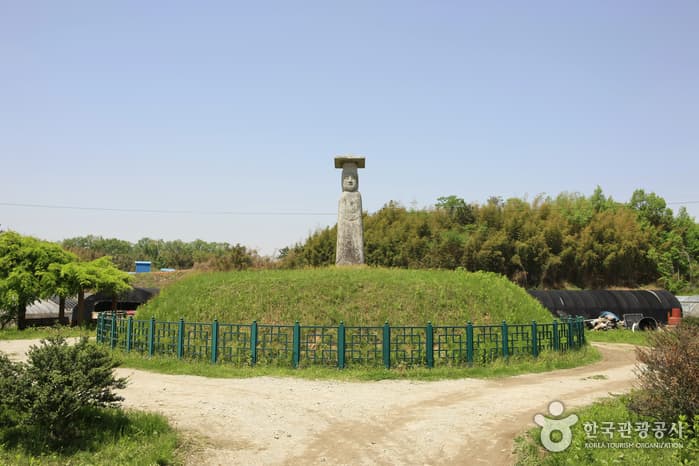
Iksan Godori Standing Stone Buddha (익산 고도리 석조여래입상)
Donggodo-ri, Geumma-myeon, Iksan-si, Jeonbuk-do
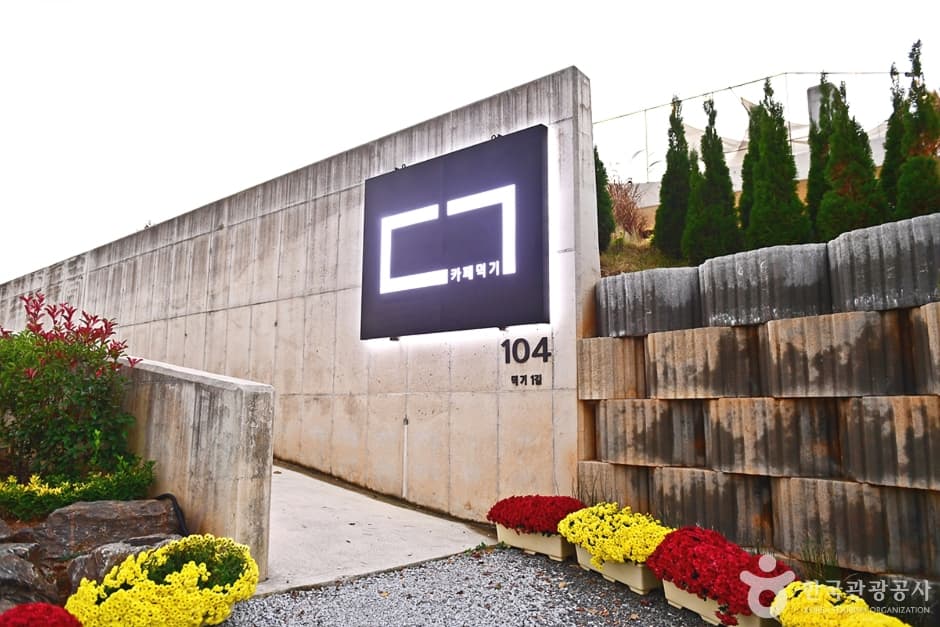
Café Deoki (카페 덕기)
104 Deokgi 1-gil, Iksan-si, Jeonbuk-do