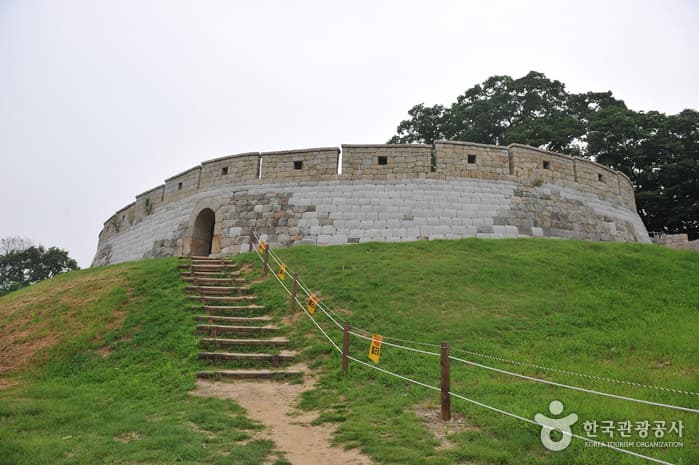
Yeonmijeong Pavilion (연미정)
242, Wolgot-ri, Ganghwa-gun, Incheon
About
Yeonmijeong Pavilion is Incheon's Tangible Cultural Asset No. 24 (designated on March 1, 1995).
While the exact date of construction is unknown, the pavilion was greatly damaged and then rebuilt afterwards due to the Japanese Invasion of Korea in 1592, the Byeongja Chinese Invasion in 1636, and the Korean War on June 25, 1950.
The name Yeonmi comes from the swallow tail-shape of Imjingang River and Yeomhagang River ('yeon' means swallow and ‘mi’ means a tail). As the pavilion stands on top of Wolgotdondae, visitors can see Paju-si, Gimpo-si, Gaepung-gun in Hwanghae-do (North Korea) at a glance.
While the exact date of construction is unknown, the pavilion was greatly damaged and then rebuilt afterwards due to the Japanese Invasion of Korea in 1592, the Byeongja Chinese Invasion in 1636, and the Korean War on June 25, 1950.
The name Yeonmi comes from the swallow tail-shape of Imjingang River and Yeomhagang River ('yeon' means swallow and ‘mi’ means a tail). As the pavilion stands on top of Wolgotdondae, visitors can see Paju-si, Gimpo-si, Gaepung-gun in Hwanghae-do (North Korea) at a glance.
Visitors also explore Goryeogung Palace Site (고려궁지), Yongheunggung Palace (용흥궁) and Ganghwado Island (강화도) near this location.
Location
37.77088, 126.51185
More Attractions in Incheon
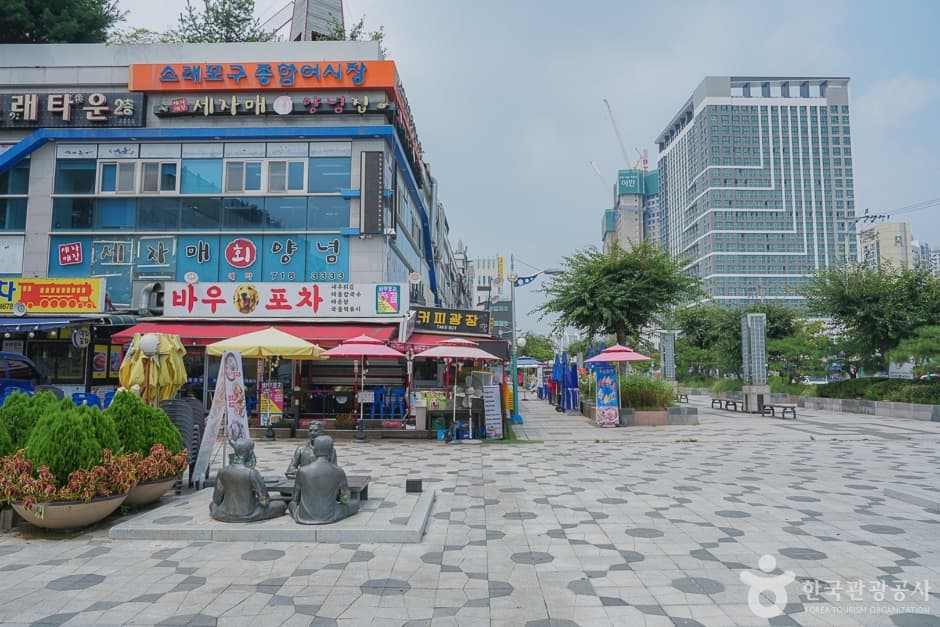
Soraepogu Pocha Street (소래포구 포차거리)
12 Soraeyeok-ro, Namdong-gu, Incheon
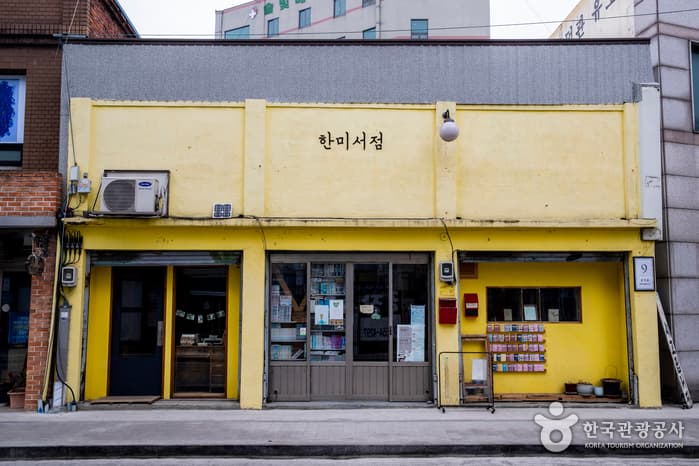
Baedari Secondhand Bookstore Alley (배다리 헌책방 골목)
3 Geumgok-ro, Dong-gu, Incheon
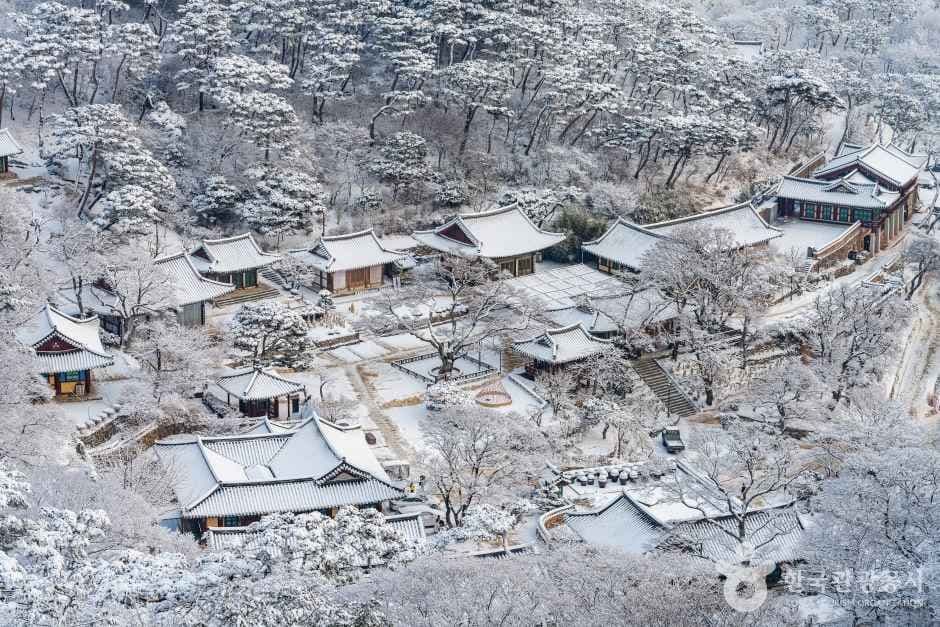
Ganghwa Jeondeungsa Temple (강화 전등사)
37-41 Jeondeungsa-ro, Ganghwa-gun, Incheon
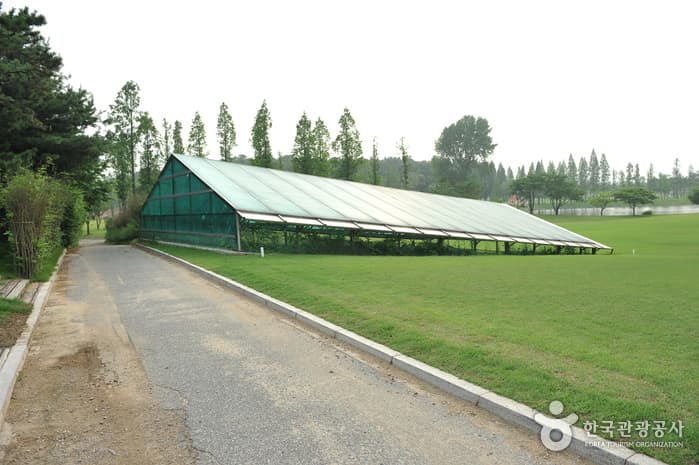
Incheon Gyeongseo-dong Nokcheongja Kiln Site (인천 경서동 녹청자 요지)
54, Doyoji-ro, Seo-gu, Incheon

Muuido Island (무의도)
310-11 Daemuui-ro, Jung-gu, Incheon
ELITE Plastic Surgery (엘리트 성형외과)
7th Floor, Entas Building, 593 Inju-daero, Namdong-gu, Incheon
Nearby Places
attractions
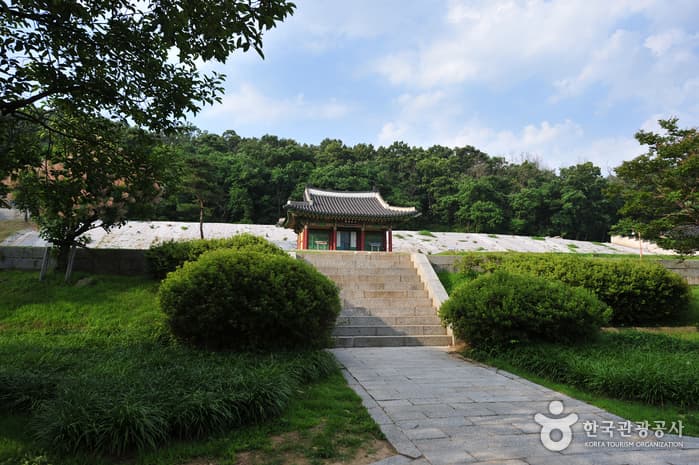
Goryeogung Palace Site (고려궁지)
394, Ganghwa-daero, Ganghwa-gun, Incheon
attractions
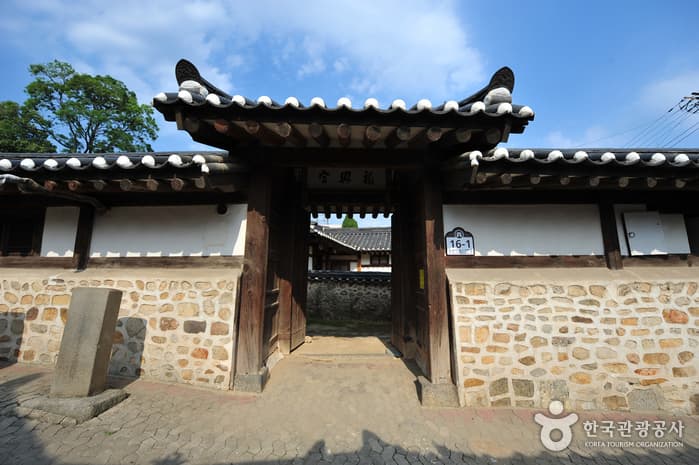
Yongheunggung Palace (용흥궁)
16-1, Dongmunan-gil 21beon-gil, Ganghwa-gun, Incheon
attractions
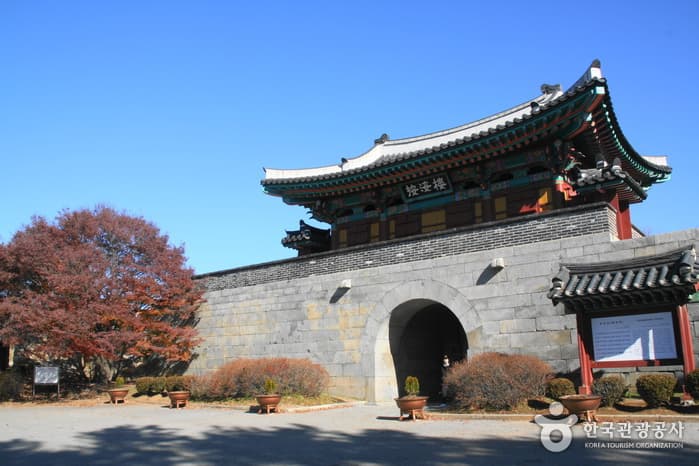
Ganghwado Island (강화도)
Ganghwa-daero, Ganghwa-gun, Incheon
](/_next/image?url=https%3A%2F%2Ftong.visitkorea.or.kr%2Fcms%2Fresource%2F04%2F4024304_image2_1.jpeg&w=3840&q=75)
shopping
Olive Young Incheon Ganghwa Branch [Tax Refund Shop](올리브영 인천강화점)
414, Ganghwa-daero, Ganghwa-eup, Ganghwa-gun, Incheon
![[Ganghwa Nadeul-gil Course 8] Bird Watching Trail ([강화 나들길 제8코스] 철새 보러 가는 길)](/_next/image?url=http%3A%2F%2Ftong.visitkorea.or.kr%2Fcms%2Fresource%2F32%2F1895232_image2_1.jpg&w=3840&q=75)
courses
[Ganghwa Nadeul-gil Course 8] Bird Watching Trail ([강화 나들길 제8코스] 철새 보러 가는 길)
24, Cheonghadong-gil, Ganghwa-gun, Incheon
![[Ganghwa Nadeul-gil Course 6] Birthplace of Hwanam Trail ([강화 나들길 제6코스] 화남생가 가는 길)](/_next/image?url=http%3A%2F%2Ftong.visitkorea.or.kr%2Fcms%2Fresource%2F27%2F1895227_image2_1.jpg&w=3840&q=75)
courses
[Ganghwa Nadeul-gil Course 6] Birthplace of Hwanam Trail ([강화 나들길 제6코스] 화남생가 가는 길)
24, Cheonghadong-gil, Ganghwa-gun, Incheon